
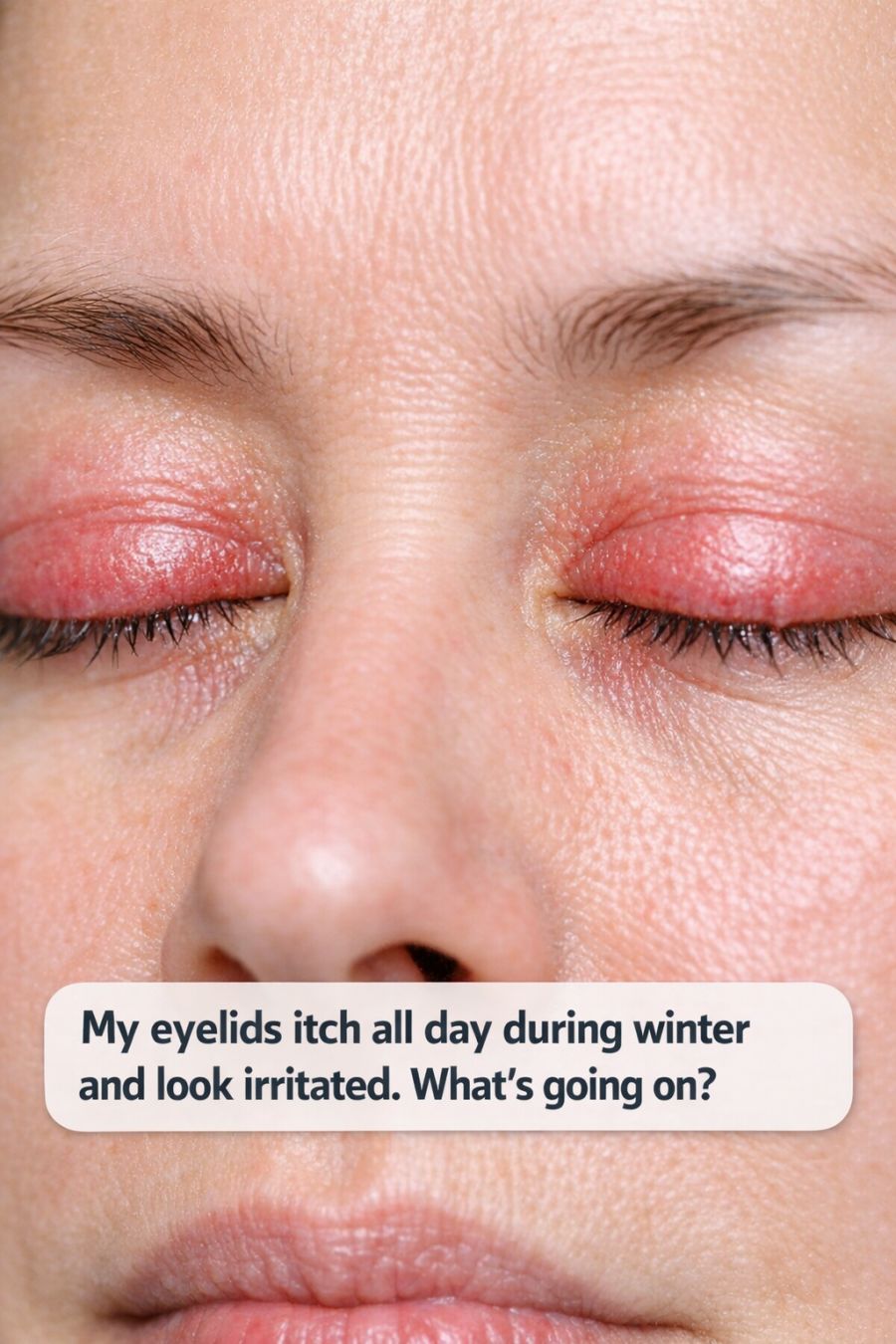
Winter can be a challenging season for many reasons, especially when it comes to skin health. As temperatures drop and the air becomes drier, many people experience an increase in skin-related issues, including itchy and irritated eyelids. This uncomfortable condition is more than just a seasonal nuisance; it can significantly impact daily life, making it difficult to concentrate and affecting overall well-being.
Understanding the root causes of itchy eyelids during winter can help in managing and preventing the discomfort. This article delves into the reasons behind this condition, offering insights and solutions to help you maintain healthy eyelids all winter long.
Advertisement
1. Why Winter Makes Your Eyelids Itchy And Irritated
The cold winter months bring about a drop in humidity, both outdoors and indoors. When the air is dry, it can strip moisture from the skin, leading to dehydration and irritation. The skin on your eyelids is particularly thin and sensitive, making it more susceptible to environmental changes. Additionally, wind and cold temperatures can exacerbate these effects, resulting in itchy, red, and irritated eyelids that can last throughout the season.
2. Is It Eyelid Dermatitis? The Basics You Should Know
Eyelid dermatitis is a form of eczema that affects the eyelids, causing redness, itchiness, and swelling. It can be triggered by a variety of factors, including allergens and irritants that come into contact with the skin. During winter, the condition can be exacerbated by the dry air and increased use of potential irritants such as lotions and creams. Understanding whether your symptoms align with eyelid dermatitis is crucial for effective treatment.
3. Common Triggers Hiding In Your Winter Routine
Several common habits and products used during winter can inadvertently contribute to eyelid irritation. For example, frequent hand washing with hot water can lead to contact dermatitis if hands are then used to touch the face. Additionally, using scented lotions or soaps can introduce allergens to sensitive eyelid skin. Identifying these hidden triggers can be the first step in alleviating symptoms.
4. Dry Indoor Air, Heaters, And Other Environmental Culprits
Indoor heating systems, while essential for comfort, can significantly reduce humidity levels in your home. The resulting dry air can lead to moisture loss in the skin, including the delicate eyelid area. Using a humidifier to maintain indoor humidity levels between 30% and 50% can help mitigate these effects, keeping your skin hydrated and reducing irritation.
5. Makeup, Skin-Care, And Hair Products That Inflame Eyelids
Many makeup and skincare products contain ingredients that can irritate the sensitive skin around your eyes. Fragrances, preservatives, and dyes are common culprits. During winter, consider switching to hypoallergenic products formulated specifically for sensitive skin. Additionally, be cautious with hair products that can transfer to your face and eyelids, especially if they are applied close to the hairline.
6. Allergies: From Dust Mites To Pets To Pollen In Winter
Allergies are not just a spring and summer problem; they can persist or even worsen in winter. Dust mites thrive in heated homes, and pet dander can accumulate as pets spend more time indoors. Although pollen levels are generally lower, indoor allergens can still trigger eyelid irritation. Regular cleaning and using air purifiers can help reduce allergen levels in your home.
7. When Itching Means Eczema, Psoriasis, Or Rosacea Around The Eyes
Chronic skin conditions such as eczema, psoriasis, and rosacea can manifest around the eyes, causing persistent irritation. These conditions may flare up during winter due to the harsh, dry environment. If you have a history of these conditions, it's important to manage them proactively with appropriate skincare routines and medications prescribed by a dermatologist.
8. Eye Conditions That Can Masquerade As Simple Irritation
Sometimes, what appears to be simple eyelid irritation can be a sign of an underlying eye condition. Blepharitis, for instance, is an inflammation of the eyelid margins that can cause itching, redness, and flakiness. Conjunctivitis, commonly known as pink eye, can also cause similar symptoms. If your symptoms persist or worsen, an eye examination may be necessary to rule out these conditions.
9. At-Home Soothing Tips That Are Actually Dermatologist-Approved
To soothe irritated eyelids at home, dermatologists often recommend using cool compresses and applying moisturizers formulated for sensitive skin. Aloe vera gel and chamomile tea bags can provide natural relief. Avoid rubbing your eyes, as this can exacerbate irritation. Staying hydrated by drinking plenty of water also helps maintain skin moisture levels.
10. When To See A Doctor—And What Diagnosis And Treatment Look Like
If your eyelid irritation does not improve with at-home treatments or if you experience severe symptoms such as pain or vision changes, it is important to seek medical advice. A dermatologist or ophthalmologist can diagnose the underlying cause through a physical examination and, if necessary, a patch test to identify specific allergens. Treatment may include topical steroids, antihistamines, or other medications tailored to your condition.
Advertisement
11. Smart Prevention Habits To Protect Your Eyelids All Winter Long
Preventive measures can help keep eyelid irritation at bay during winter. Incorporate a gentle skincare routine that includes moisturizing your eyelids with a fragrance-free, hypoallergenic cream. Avoid known irritants and allergens, and make adjustments to your home environment to maintain optimal humidity levels. Wearing sunglasses outdoors can protect your eyes from harsh winds and cold temperatures, further preventing irritation.