
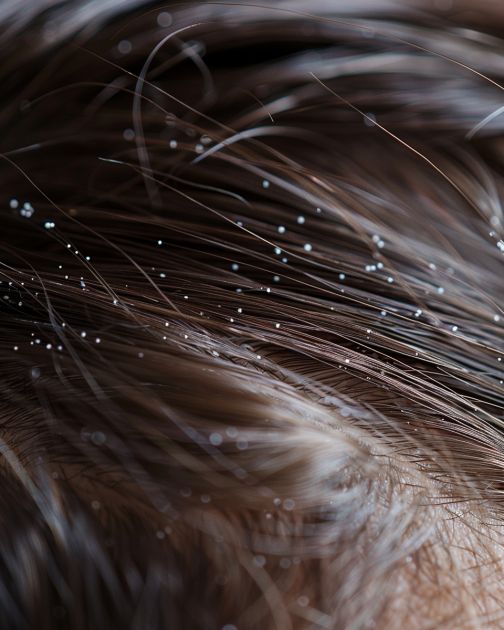
Many people experience flaking scalp, which often leads to discomfort and embarrassment. However, not all scalp flaking is created equal – it's important to distinguish whether your condition is dandruff or simply a dry scalp. This understanding is crucial as it guides the proper treatment and management approach.
By reading this article, you’ll gain insights into the characteristics and causes of both dandruff and dry scalp. Additionally, knowing which condition you're dealing with can help you choose the right products and remedies to alleviate your symptoms without worsening your scalp health.
Advertisement
1. What is Dandruff?
Dandruff is a common scalp condition that is often characterized by white or gray flakes of skin that shed from the scalp. It is typically associated with the fungus called Malassezia, which lives on the scalp of most healthy adults without causing problems. However, for those with dandruff, this fungus can irritate the scalp and increase skin cell production. The excess skin cells die, fall off, and appear as white flakes in your hair or on your clothing.
2. Understanding Dry Scalp
Dry scalp, on the other hand, occurs when the scalp loses too much moisture. This loss can be due to a variety of factors including cold weather, low humidity, and the frequent use of harsh hair care products. Similar to dandruff, dry scalp also results in flaking. However, the flakes from a dry scalp are smaller and less oily than those from dandruff.
3. Symptoms of Dandruff vs. Dry Scalp
a. Dandruff:
- White, oily flakes
- Itchy scalp
- Redness or irritation
b. Dry Scalp:
- Small, dry flakes
- Tight feeling on the scalp
- Dryness extends beyond the scalp to other parts of the body
4. Causes and Triggers
a. Dandruff:
- Fungal growth
- Excessive oil production
- Sensitivity to hair care products
b. Dry Scalp:
- Environmental factors like cold and dry air
- Overuse of hair dryers or products containing alcohol
- Underlying skin conditions such as eczema or psoriasis
5. Treatment Options
a. Dandruff:
- Anti-dandruff shampoos containing ingredients like ketoconazole, selenium sulfide, or zinc pyrithione
- Consistent scalp care routine
- Avoiding harsh chemicals
b. Dry Scalp:
- Hydrating shampoos and conditioners
- Using fewer hair products
- Using a humidifier to add moisture to the environment
6. When to See a Doctor
If your symptoms are severe or do not improve with over-the-counter treatments, it may be time to consult a healthcare provider. Persistent dandruff or dry scalp can sometimes signal an underlying condition that requires medical attention. Also, treating the wrong condition can exacerbate the problem, making professional guidance invaluable.
Advertisement
To effectively treat and manage your scalp condition, understanding whether you have dandruff or dry scalp is essential. By distinguishing between these two, you can select the most appropriate treatment to soothe your symptoms and improve your scalp health.