
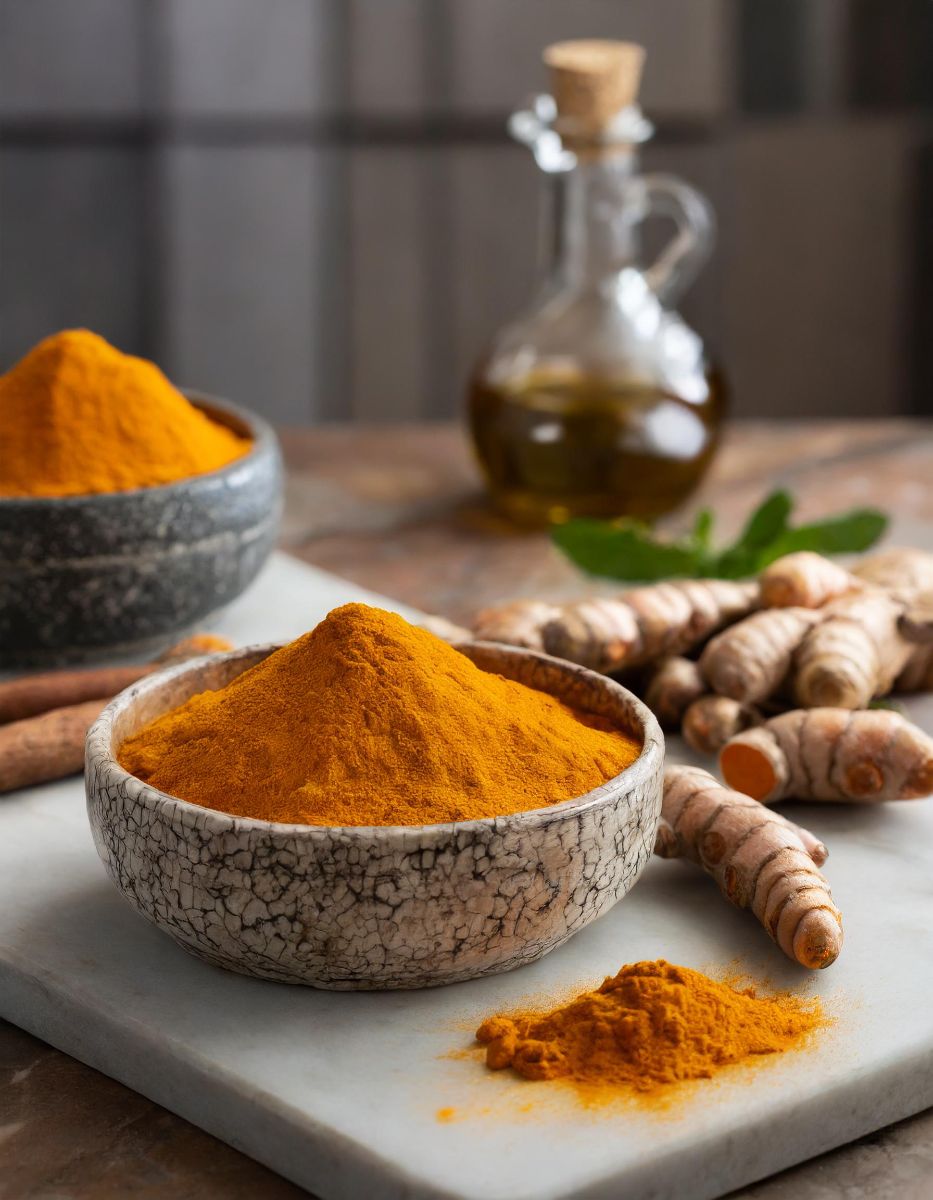
Turmeric, a golden-hued spice, has been used for centuries in various cultures not only for its ability to enhance the flavor and color of food but also for its impressive array of health benefits. Originating from the root of the Curcuma longa plant, turmeric contains an active compound called curcumin, which has been extensively studied for its potent anti-inflammatory, antioxidant, and medicinal properties.
Integrating just a spoonful of turmeric into your daily meals could lead to noticeable improvements in your joint health, digestion, and immune response. Discover the profound impacts of this remarkable spice and how you can seamlessly incorporate it into your diet.
Advertisement
1. Alleviating Joint Pain and Inflammation
Curcumin's strong anti-inflammatory properties make turmeric an excellent choice for those suffering from joint pain and conditions like arthritis. Chronic inflammation is known to be a contributor to joint pain and stiffness, and incorporating turmeric into your diet can help to:
1. Reduce overall inflammation in the body.
2. Decrease swelling and tenderness in the joints.
3. Improve mobility and quality of life for individuals with arthritis.
Regular consumption of turmeric can lead to long-term joint health benefits and potentially lessen the dependence on anti-inflammatory medications.
2. Enhancing Digestive Health
Turmeric can also play a significant role in maintaining a healthy digestive system. Its anti-inflammatory and antioxidant effects extend to the gut, where it can be particularly beneficial in:
1. Promoting the production of bile, encouraging efficient breakdown of dietary fats.
2. Helping to soothe the digestive tract, potentially aiding in the prevention and treatment of gastrointestinal issues like inflammatory bowel disease (IBD).
3. Contributing to the repair and maintenance of the stomach lining, which is essential for preventing ulcers.
For individuals looking to alleviate digestive discomfort or enhance their body's ability to absorb nutrients, adding turmeric to meals can be an easy yet effective strategy.
3. Boosting the Immune System
The immune-boosting potential of turmeric shouldn't be underestimated. Curcumin has been shown to support the immune system by:
1. Modulating the activation of various immune cells, helping the body fight off infections and diseases.
2. Possessing antiviral and antibacterial properties, which can increase resistance to illnesses.
3. Reducing oxidative stress on the body, a key factor that can impair immune function.
Incorporating a regular tablespoon of turmeric into your meals, especially during cold and flu season, may offer extra protection against common viruses and bacteria.
Easy Ways to Incorporate Turmeric into Your Diet
Now that you understand some of the benefits of adding turmeric to your diet, let's explore how to do it effectively:
1. Sprinkle turmeric powder on scrambled eggs or frittatas for a morning health boost.
2. Add it to rice, quinoa, or couscous to give a vibrant color and a nutritional punch to your side dishes.
3. Mix turmeric into your soups and stews; it pairs especially well with lentil and vegetable-based recipes.
4. Create a healing beverage, known as "golden milk," by warming milk (dairy or plant-based) with turmeric and other spices like cinnamon and ginger.
5. Use turmeric in marinades and dressings to add flavor and health benefits to meats and salads.
Keep in mind that consuming turmeric alongside black pepper and healthy fats can significantly increase curcumin absorption, enhancing its benefits. Let this mighty spice enrich your meals and, potentially, your overall well-being.
Advertisement
Embracing turmeric's wealth of health benefits is as simple as adding a spoonful to your regular dishes. From your joints to your gut, to your immune system, this spice can impart its healing touch throughout your body—making every meal not just tastier, but healthier too.